
Jalopy Records
August 21

The Clover Valley Boys, The Clover Valley Boys
July 17
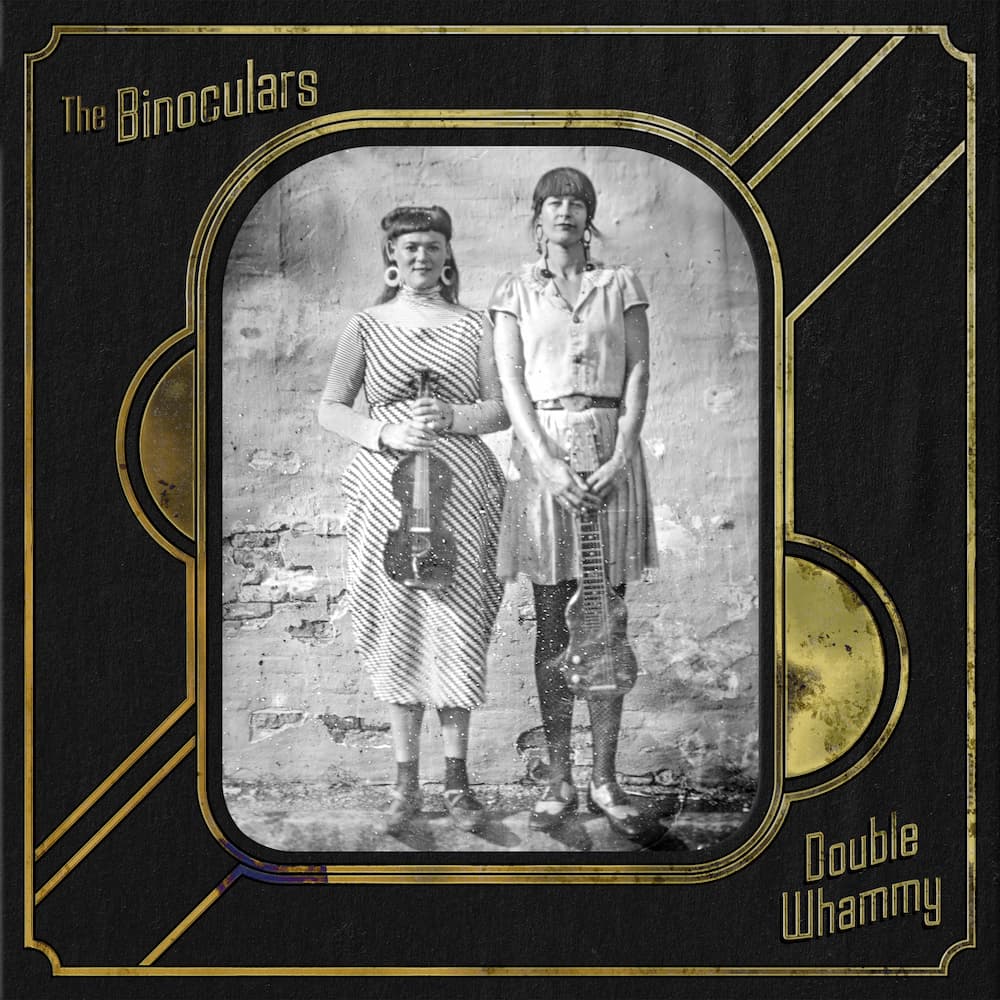
The Binoculars, Double Whammy
July 17, 2026
July 10

Guachinangos, Guachinangos, Vol. 1

May 29
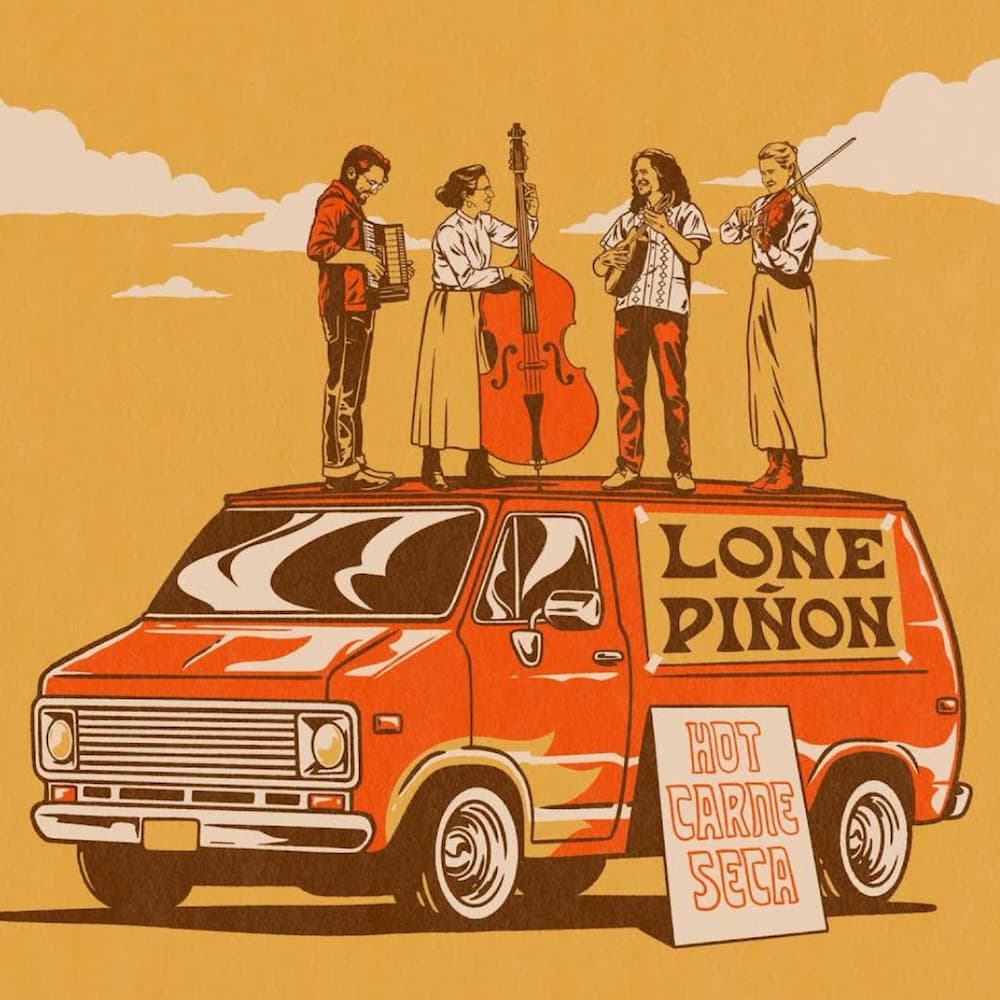
Lone Piñon, Hot Carne Seca
May 29
May 1
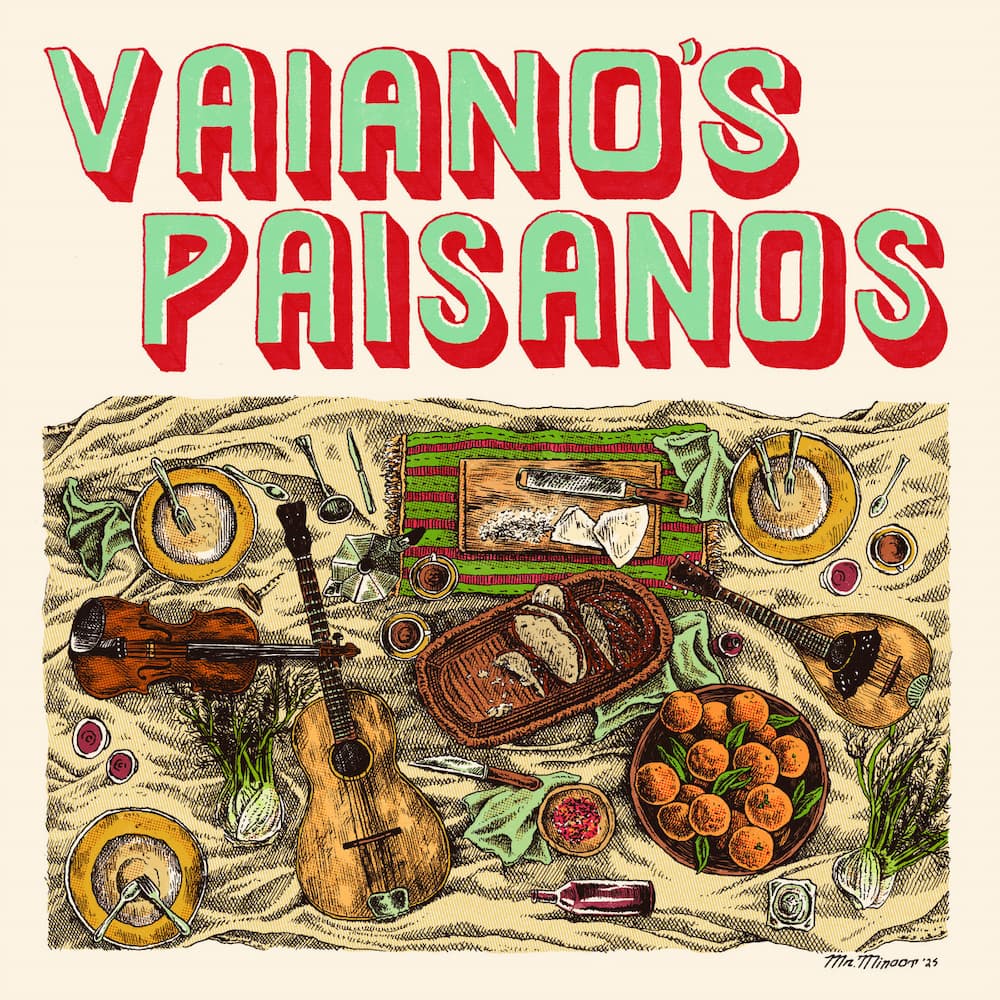
Vaiano’s Pasanos, Vaiano’s Pasanos
May 1
April 24
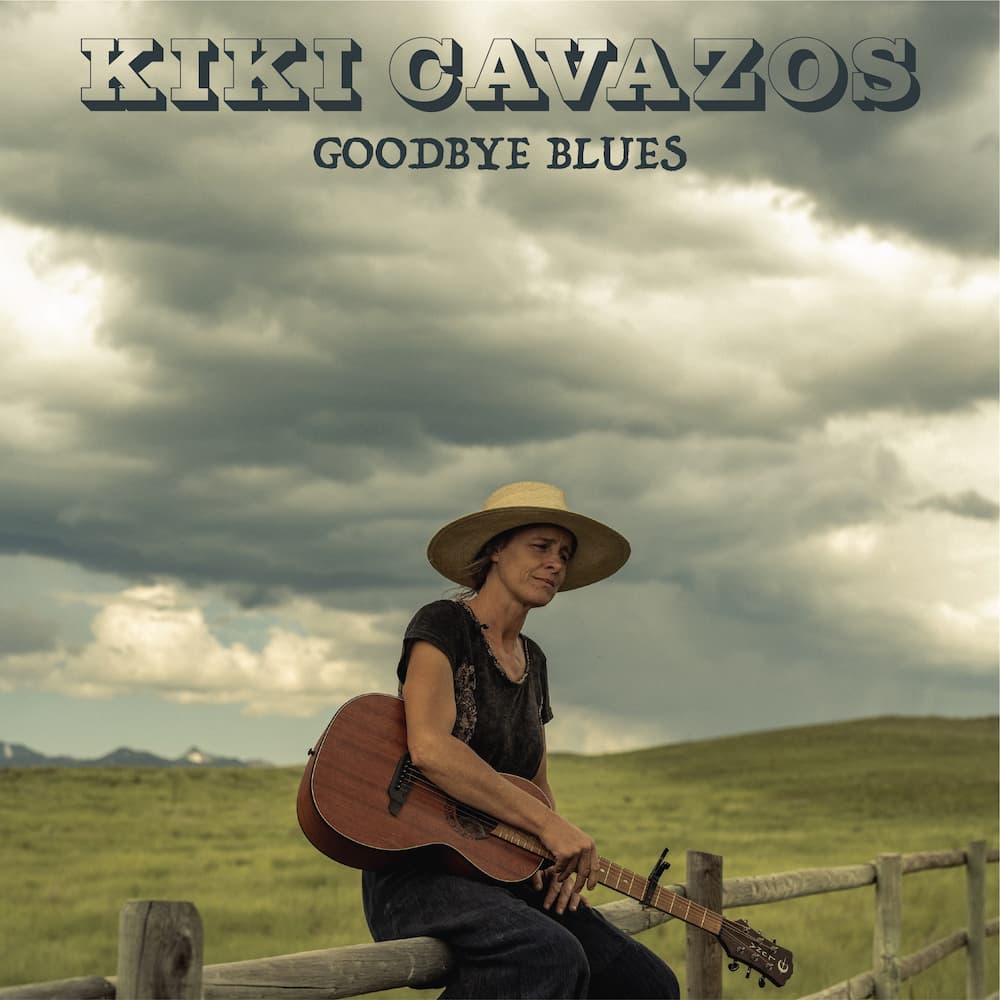
Kiki Cavazos, Goodbye Blues
April 24
April 18
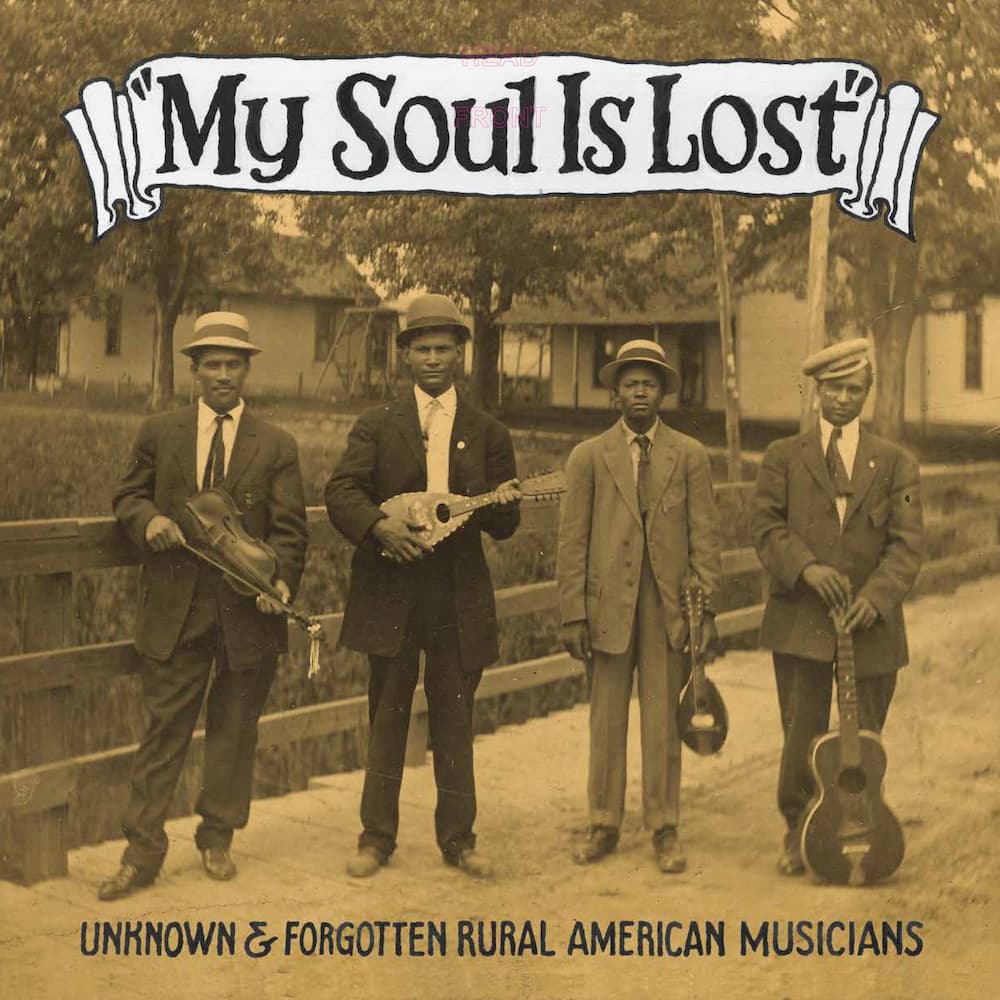
Various Artists, My Soul Is Lost
April 18 (Record Store Day)
Video & Audio
The Binoculars, “Pretty Raindrops””
The Binoculars, “Lorene”
Kiki Cavazos, “Grey Ghost Train”
Vaiano’s Paisanos, “Abrew’s Portuguese Jazz”
Lone Piñon, “El Tecolote”
Press
About
About Jalopy Records
We believe that intricate and historic musical traditions are valuable, worth perpetuating and are the basis for contemporary creation.
Jalopy Records presents working artists in the fields of folk, traditional and vernacular music. We also offer archival rarities, historic field recordings, deep cut reissues, and more.
The Binoculars Bio
The Clover Valley Boys Bio
They play a variety of instruments including fiddles, banjo, guitar, steel guitar, and mandolin. Hailing from Tennessee, Georgia, and Virginia respectively, the members have been playing together in different projects for years and have come together to form a group that engages audiences with harmony singing, tight instrumentals, dance numbers, and an earnest take on an old-timey sound.
Lone Piñon Liner Notes
Traditional from the repertoire of Maximiliano Ortiz.
Tanya Nuñez – upright bass
Santiago Romero – guitar
Jordan Wax – violin
Karina Wilson – violin
This tune comes from a 1970’s home-recorded cassette of Maximiliano Ortiz on the violin and his cousin Lalo Ortiz on guitar. Maximiliano was an excellent dance fiddler from near Bernal, NM. He travelled for work around the border with Mexico and also in lumber camps in Southern Colorado, where he picked up a diverse repertoire of tunes: in addition to the Northern New Mexico dance repertoire of valses, polkas, chotes, cuadrillas and cunas, he also played Anglo-American fiddle tunes, orquesta típica, swing music, and dance hall tunes of the style that were more popular in Northern Mexico. This polka is closely related to one called “La Rogona” recorded by Trio Alegre for Vocalion Records in the early ‘30s, probably in San Antonio, TX.
The original cassette with the Ortiz’s jam session was loaned to us by Ken Keppeler and Jeanie McLerie of Silver City, who carefully preserved it in their home archive of traditional music from Northern New Mexico. The second side of the tape is the Ortiz family children playing with the cassette recorder.
2. El Tecolote (Cuadrilla)
Traditional from the repertoire of Cleofes Ortiz
Tanya Nuñez – upright bass, vocals
Santiago Romero – guitar, vocals
Jordan Wax – violin, lead vocals
Karina Wilson – violin, vocals
El tecolote constitutes a genre of its own in Northern New Mexican folk music, a set of very diverse songs that all share the lament of the owl’s song somewhere in the lyrics. In this one the owl cannot go to the dance because he doesn’t have the right clothes, and the singer suggests making him clothes out of somewhat ridiculous resources nearby. The verse about not getting a date because of his Tinder profile is new.
We learned this version from Ken Keppeler and Jeanie McLerie, who learned it playing with Cleofes Ortiz of Bernal, NM (Maximiliano’s younger cousin, see track 1) before our time. We include it on the album in their memory.
This tecolote melody is played in 6/8, in a meter that resembles an Irish jig. It is part of a large repertoire of tunes in this rhythm that older dance fiddlers in Northern New Mexico used to play, referred to sometimes as quadrillas or cutilios. The unique rhythm of guitar accompaniment for this type of tune was taught to Santiago by Tanya’s cousin Sal García, who remembered it from his father’s playing at community dances in Willard, NM.
Tecolotito no baila
Porque no tiene calzones
En la mañana le haremos
Con el cuero de los ratones
Tecolotito no baila
Porque no tiene zapatos
En la mañana le haremos
Con el cuerito de los gatos
Tecolotito, tecolotón
Trae tu leva, dame el cotón
The little owl won’t go to the dance
Because he doesn’t have pants
In the morning we will make him some
Out of the skin of mice
The little owl won’t go to the dance
Because he doesn’t have shoes
In the morning we will make him some
Out of the hide of cats
Tecolotito can’t get a date
Cause his Tinder profile really sucks
We’ll fix it up with Photoshop
And we’ll make him look like a million bucks
Little owl, great big owl
Take your winter coat, give me the light one
3. Quiero Ver (Ranchera)
From the repertoire of Flaco Jimenez, composed by Ignacio Fernández Esperón
Tanya Nuñez – upright bass, vocals
Santiago Romero – guitar, vocals
Jordan Wax – accordion, vocals
Karina Wilson – violin, vocals
A classic ranchera that has been sung by many artists. Our version was inspired by the duet of Flaco Jimenez and Toby Torres.
Quiero ver otra vez
Tus ojitos de noche serena
Quiero oír otra vez
Tus palabras calmando mi pena
Quiero ser otra vez
El que inquieta la paz de tus sueños
Con la voz amorosa
De un cariño borracho de ensueño
Y quisiera, sobre todo
Un poquito de esperanza
Tú te has vuelto muy esquiva
Muy dada a la desconfianza
No hay razón, dulce bien
De que me trates como a un extraño
Siempre soy el que he sido
No me pagues con un desengaño
Mira negra, me harías mucho daño
Let me see once again
Your eyes on a serene night
Let me hear once again
Your words calming my sorrows
Let me be once again
The one to trouble the peace of your sleep
With the sweet voice
Of a love who is intoxicated by dreams
And I wish, above all
For a little ray of hope
You have become so elusive
More and more mistrustful
There is no reason, my dear
That you should treat me like a stranger
I am still who I was
Don’t do me wrong
Listen–it would kill me
4. Los Ojos de Pancha (Polka ranchera) / La Felicita / Juana la Cubana (Cumbia norteña)
Traditional / Juan Lopez / Fito Olivares
Tanya Nuñez – upright bass, vocals
Santiago Romero – guitar, vocals
Jordan Wax – accordion, vocals
Karina Wilson – violin, vocals
A classic polka ranchera that we combined with a classic accordion polka from the Río Grande valley in Texas recorded by conjunto pioneer Juan Lopez. Juana la Cubana, composed by Fito Olivares, is a popular cumbia across el norte and was made even more famous by Selena Quintanilla in the early ‘90s.
Quiero ponerle su jardín a Pancha, Mamá
Pero ha de ser de flores coloradas, Mamá
Aunque se enojen solteras y casadas, Mamá
Solo los ojos de Pancha, no más
Quiero ponerle su jardín a Pancha, Mamá
Pero ha de ser de flores esquisitas, Mamá
Aunque se enojen toditas las bonitas, Mamá
Solo los ojos de Pancha, no más
I want to plant a garden for Pancha
But only with red flowers
Even if all the ladies, single and married, get mad
Only the eyes of Pancha for me
I want to plant a garden for Pancha
But only with exquisite flowers
Even if every one of the pretty ladies get mad
Only the eyes of Pancha for me
Bailen como Juana la cubana
El ritmo que se siente sabroso como jugo de manzana
Un paso pa delante y un paso para atrás, pero con ganas
Para seguir el ritmo se tienen que mover igual que Juana
Viendo bailar a Juana me quedo hasta las seis de la mañana
Háganle una rueda a Juana
Porque ya empezó a bailar
Esa morena cubana
Nos va a hacer hasta sudar
Baila este ritmo con la pura sabrosura
Muévete, ya, que esto sí es candela pura
Porque bailando eres reina donde quiera
Con esa gracia con que mueves la cadera
5. Cataclismo (Bolero)
Composed by Esteban Taronjí
Tanya Nuñez – upright bass
Santiago Romero – guitar, vocals
Jordan Wax – violin
Karina Wilson – violin
A bolero popularized by Javier Solis’ 1965 recording.
¿Qué pasará si tú me dejas?
¿Qué pasará si tú me olvidas?
Le he preguntado a las estrellas
A la luna y al mismo sol
¿Qué pasará si, andando el tiempo
De mí te cansas y te alejas?
Le he preguntado a la distancia
A ver si el eco llega hasta Dios
Desesperado, presintiendo tu partida
Me imagino que te has ido para ver la reacción
Que sufriremos, cuando estemos separados
Y tú pienses en mis besos y yo añore tu calor
Fue la visión de este delirio
Todo un desastre de locuras
Como si el mundo se estrellara
Un cataclismo para los dos
What would it mean for you to leave me?
What would it be for you to forget me?
I’ve asked the stars
The moon, and the sun itself
What if, as time passes
You tire of me and drift away?
I’ve put my question to the distance
To see if its echo might reach God
In despair with the premonition of your leaving
I imagine that you’re gone and I watch the scene play out
I see us suffering, apart from each other
Your remembering my kisses, my longing for your warmth
This vision of this delirium
Was a catastrophe of madness
A world crashing down
A disaster for us both
6. Viva Albuquerque (Polka)
Eddie Dimas
Tanya Nuñez – upright bass
Santiago Romero – lead guitar
Jordan Wax – guitar
Karina Wilson – violin
A popular guitar polka in New Mexico. Eddie Dimas recorded this tune in 1966 in Phoenix, AZ when he was just 17 years old, and released it on a debut album that went on to become wildly popular in New Mexico for decades. Most of the compositions on his album are still played by regional bands at weddings in Northern New Mexico today.
7. No Eras Para Mi (Bolero)
Elida Silva
Tanya Nuñez – upright bass, vocals
Santiago Romero – guitar, vocals
Jordan Wax – violin, vocals
Karina Wilson – violin, vocals
A bolero written by Elida Silva–our version is based off the recording by las Hermanas Lima (Las Atlixqueñas) archived in the Frontera Collection.
¿Por qué te conocí,
Si no habías de ser mío?
¿Por qué yo te adoré,
Si no me perteneces?
La vida traicionera te engaña siempre, siempre
Y cuando más se quiere
Se hiere al corazón
No te culpo yo a tí
Culpable es mi destino
Que me hizo comprender
Que no era mío tu amor
Y ahora que te alejas, ay
Que triste a mí me dejas
¿Por qué tu me besaste,
Si no eras para mi?
Why did I have to meet you
If you were not to love me?
Why did I have to adore you
If you were not to be mine?
This traitorous life always, always deceives
And the more someone loves
The more their heart will be wounded
I can’t blame you
I can only blame my path in life
That has led me to understand
That your love was never mine
And now that you are gone
How sad you have left me
Why did you have to kiss me?
If our love was never meant to be?
8. El Preso Numero 9 (Huapango)
Tanya Nuñez – upright bass, vocals
Santiago Romero – guitar, vocals
Jordan Wax – violin, vocals
Karina Wilson – violin, vocals
A huapango composed by Roberto Cantoral for his trio Los Tres Caballeros. The introductory instrumental piece was composed by Jordan.
Al preso numero nueve, ya lo van a confesar
Está rezando en la celda con el cura del penal
Y antes del amanecer la vida le han de quitar
Porque mato a su mujer y un amigo desleal
Dice así al confesar
“Los maté, sí señor
Y si yo vuelvo a nacer
yo los vuelvo a matar.”
Padre no me arrepiento, ni me da miedo la eternidad
Yo se que allá en el cielo el ser supremo nos juzgará
Voy a seguir sus pasos, voy a buscarlos al más allá
El preso numero nueve era un hombre muy cabal
Iba el noche del duelo, muy contento a su jacal
Pero al mirar a su amor, en brazos de su rival
Ardió en su pecho el rencor y no se pudo aguantar
Al sonar el clarín,
se formó el pelotón
Y rumbo al paredón,
se oye al preso decir:
Padre no me arrepiento, ni me da miedo la eternidad
Yo se que allá en el cielo el ser supremo nos juzgará
Voy a seguir sus pasos, voy a buscarlos al más allá
Prisoner Number 9 is led to confession
He’s praying in a cell with the prison priest
Because before the sun rises they will take his life
For the murder of his wife and a false friend
These are the words of his confession:
“I did kill them, yes.
And if I am born again
I will kill them again.
Father, I do not repent, and I am not afraid of eternity
I know that in heaven, the only law is the Creator’s
I will follow their steps, I will search for them in the great beyond.”
Prisoner Number 9 was not a violent man
On the night of the duel he was walking quite peacefully to his little home
But when he came upon his love in the arms of his rival
His chest burned with a fire that he could not restrain
With the sounding of the bugle
The firing line was formed
And as he walked before the wall
The prisoner was heard to say:
“Father, I do not repent, and I am not afraid of eternity
I know that in heaven, the only law is the Creator’s
I will follow their steps, I will search for them in the great beyond.”
9. Sunset Waltz
Music: traditional, Lyrics: Jordan Wax
Tanya Nuñez – upright bass, vocals
Santiago Romero – guitar
Jordan Wax – violin
Karina Wilson – violin, vocals
A waltz Karina learned from a classic recording of African-American string band the Mississippi Sheiks (who released the tune under the name the Mississippi Mud Steppers). Jordan wrote the bilingual lyrics inspired by Western Swing songs.
Atardecer, and you’re not there
And the desert sings softly
The memories of sunsets long ago
En el monte el horizonte
Se pinta de colores
A songbird, somewhere calls out low
Wherever you are hasta volverte a abrazar
Aqui estás, justo detrás, del atardecer
The sun is setting, and you’re not there
And the desert sings softly
The memories of sunsets long ago
Out in the prairie the horizon
Is painted in colors
A songbird somewhere calls out low
Wherever you are, until I can hold you again
You are here, just behind the sunset
10. Pecos Polka
Traditional
Tanya Nuñez – upright bass
Santiago Romero – guitar
Jordan Wax – violin
Karina Wilson – violin
From the repertoire of dance fiddler Gregorio Ruiz of Pecos, NM. Gregorio was in his 90s in the early ‘80s when he recorded this tune for Henry Ortiz’s Kiva Records label of Santa Fe, NM.
11. Nochesita
Victor Huesca
Tanya Nuñez – upright bass, vocals
Santiago Romero – guitar, vocals
Jordan Wax – accordion, vocals
Karina Wilson – violin, vocals
This romantic bolero was composed by Victor Huesca and popularized by Edye Gormé and Los Panchos. We learned it from Tanya’s cousin, saxophonist Sal García (see track 2). The introduction, composed by Jordan, is inspired by other classic boleros that Sal shared with us.
Dicen que la pena si es de noche pesa más
Que suplica, muchacho, como quieras — pero jamás no podrás
Y yo digo que no
Otro día muere y yo
veo el resplandor
Con que brilla este profundo dolor
Su fuego me abraza sabe bien lo que me pasa
Y la noche vuelve toda una canción
Nochecita, que de ensueño fue mi vida
Cuando su amor y su cariño me olvidó
Con el alma en mil pedazos, yo te digo
Lo que he sufrido al sentir tu decepción
Aunque sabes que el amarte es mi delirio
Tú te burlas y no tienes compasión
Yo te quiero y en silencio he de adorarte
Cuando escuches en las noches mi canción
They say that the weight of sorrow grows at night, that it’s more
They say, go ahead and waste the time you want, beg and implore – but what’s it for?
But me, I don’t agree
Another day dies down and I can see
the light of a flame
A ember of longing and pain
Its burning takes me in, as if it knew how things’ve been
And the whole night seems to turn into a song:
That sweet night, my life was dreamlike and enchanted
Until I was forgotten by your love and by your care
With my heart in a thousand pieces let me tell you
How much I have suffered from your deceit
Although you know that I am hopelessly in love with you
You mock me and have no pity at all
I love you and from afar am bound to adore you
In these sweet nights, you will be able to hear my song
Thank you to all our community who supported the creation of this album. Special thanks to Joseph Annon, Laura Smith, Felicia Ortiz, Jamie Hascall, Lucy Martin, Chan Conrad, Scott Morgan, Elizabeth Abrams, Michele, Ric Herrera, Norman, Mary Tafoya, Brian Romkey, Peter McCracken, and J.J. Mancini.
Vaiano’s Paisanos Liner Notes
We owe our gratitude to the musicians who originally composed, played, and eventually recorded this music, who all came from different countries and traditions, and all recorded in New York in the 1920’s and 30’s.
Or course, we would not have heard any of these songs if not for the people who seek out and collect old 78’s, and who found ways to share what was on them, so that they eventually made their way to our ears in compilations, blog posts, discord channels, youtube videos, or a CD burned and sent in the mail.
Tracks 1, 4, 7, and 8 come from Cape Verdean musicians who settled in and around New England and were all recorded at Columbia studios in New York for the Portuguese market. “Mazurka Do Meu Pae” and “Abrew’s Portuguese Jazz” come from composer and violinist Augusto Abreu, and were recorded by his group Abrew’s Portuguese Instrumental Trio. “Sufrimento” comes from Johnny Perry’s Instrumental Trio (who later recorded as Johnny Perry’s Capeverdean Serenaders), and “Riviera Bote” comes from Orchestra di Notias, led by violinist Cândido Almeida.
Tracks 2, 3, 5, and 6 come from Italian-Americans of the same era. The polka “Una Bambola” and waltz “Ardo d’amore” come from tenor-banjo player Frank Fazio and violinist Nullo Romani. The mazurka “Primo Amore” comes from mandolin (and banjo and guitar) virtuoso Giovanni Vicari, and “Pioggia di Rose” is an Italian mazurka that was recorded by many different groups, and was so popular it can even be found in player piano rolls.
Tracks 9 & 10 come from Lionel Belasco, a Trinidadian-Venezuelan pianist and composer whose incredible recording career spanned five decades. Both “Caracas” and the “Roses of Caracas Waltz” were recorded by Lionel Belasco’s Orchestra in 1928.