Smithsonian Folkways Recordings
Out Now
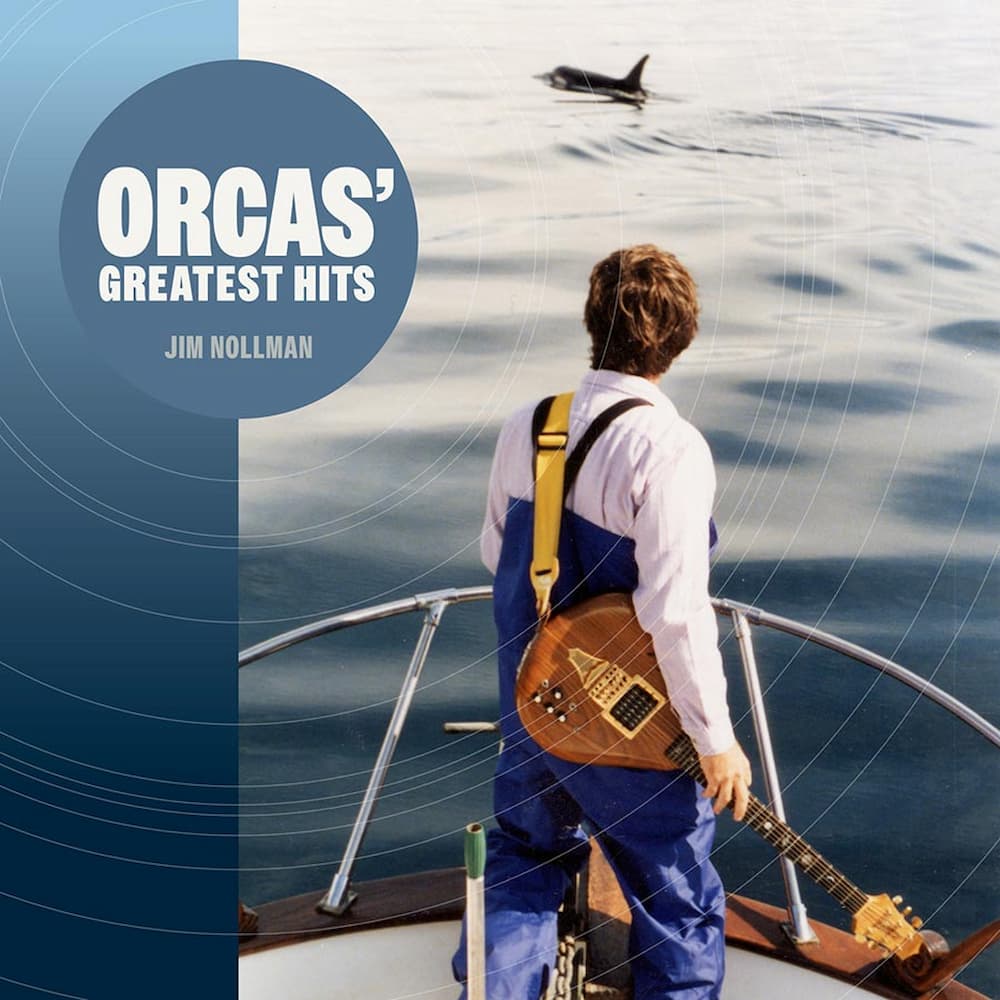
Jim Nollman, Orcas’ Greatest Hits
November 6
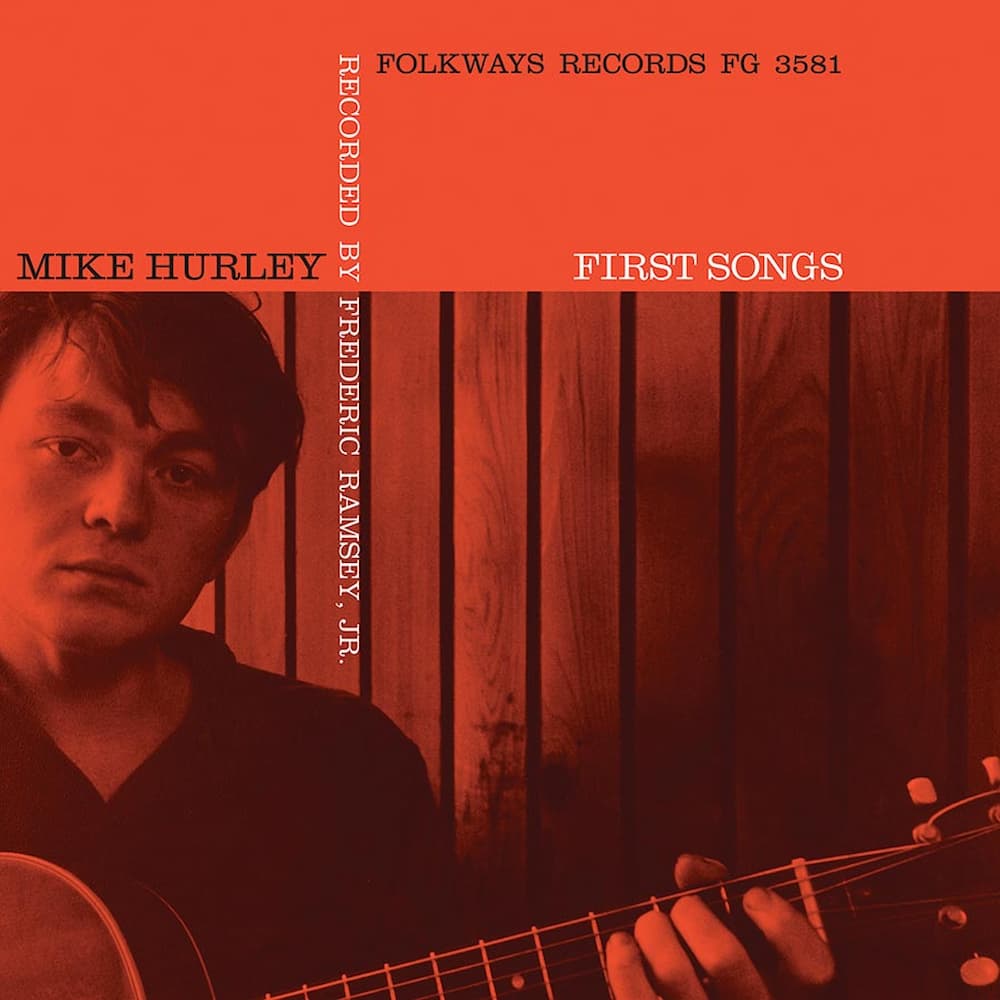
Michael Hurley, First Songs
January 22, 2027
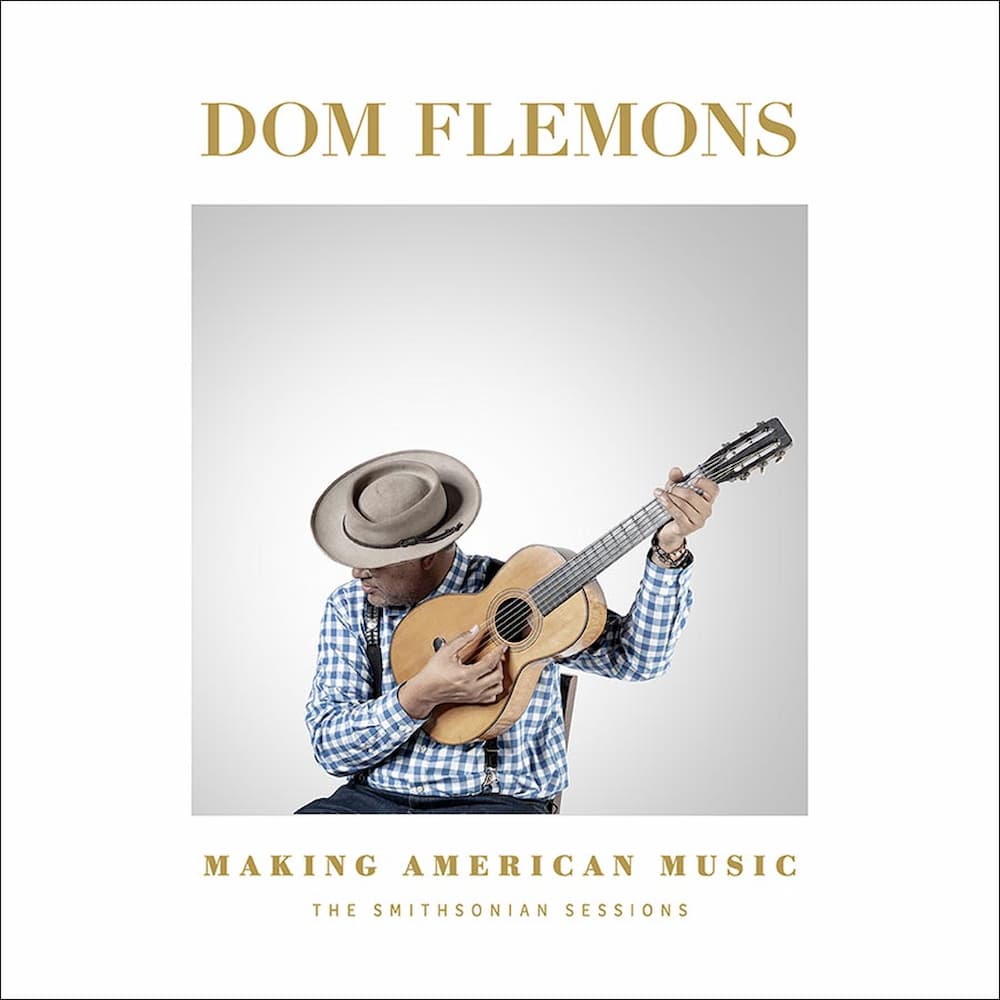
Making American Music: The Smithsonian Sessions
Hear
Hear
Hear
Hear
Press
About
Bay Records Bio
Mike and Sheila, who met and fostered their love of folk music while attending George Washington University, had become involved with a musical group called The Portable Folk Festival, which traveled around the country (even appearing in Washington at the 1971 Smithsonian Festival of American Folklife). Between this group and Sweets Mill, he met many of the artists who would populate the Bay roster. He would release records by the cream of the crop of the Bay Area music scene. Notable names include Jody Stecher, Mitch Greenhill, The Good Ol’ Persons, Frank Wakefield, John Herald, Hank Bradley, Bill Steele, and the Any Old Time String Band. A particular favorite of Cogan’s was an album he recorded by Sweets Mill artist Otis Pierce, who owned a popular, if eccentric bar near the Sweets Mill camp.
Eventually, Cogan relocated to a larger studio in the Time Star building in Alameda, and finally moved to a dedicated studio on Alcatraz Avenue in Berkeley.
Though he had a tough go of his career running a recording studio, Cogan made it work by recording, mastering, and packaging hundreds of albums for others. He was one of the main engineers used by Chris Strachwitz at Arhoolie Records in El Cerrito. He also perfected techniques for recording jazz orchestras that made him sought after by “trad jazz” bands, popular in the Bay Area at the time. He mastered and recorded hundreds of albums for the jazz label Stomp Off at his Alcatraz Avenue studio, which was large enough to hold a jazz orchestra.
The 2008 recession shuttered the studio, but the essence of Mike Cogan’s love and dedication for California bluegrass lives on. Musicians who recorded there still remember the great vibe. His son, Paul, also became an engineer, returning to his father’s roots in the DC area, where he has been active for decades, including many years working at the Smithsonian Folklife festival. Mike Cogan moved east to spend his final years living in Annapolis with Paul right next to the Chesapeake Bay Bridge. After Mike’s passing, Paul approached Smithsonian Folkways with the idea of Bay becoming part of the label family. We think it is right at home here.
–Jeff Place
Curator and Senior Archivist
August 2026
Voyager Recordings Bio
Their work with Voyager Recordings and their interest in Northwest musical traditions came at a time when few other folklorists in the US were focused on the region. Throughout their lives, Phil and Vivian fought for recognition of these musical traditions, and laboriously traced them back to their points of origin, from the historical Lewis and Clark fiddle tunes they uncovered to their work with Appalachian fiddlers who had moved to the Northwest looking for work. One of their most fortuitous discoveries was a community of North Carolina Tar Heel musicians who had moved to the small, rural town of Darrington, Washington. Vivian delighted in breaking the mold for women in this community by jamming with the men at informal jam sessions, and Phil recorded these sessions.
As the Williamses became better known in the Seattle scene, their home in the Leschi neighborhood, cluttered with antiques and vintage equipment, became a gathering place for artists traveling through. Everyone from Ralph Stanley to Bill Monroe and Doc Watson came to visit, bringing jams and tunes with them. Phil recorded much of it, in addition to community concerts and fiddle contests, ultimately yielding thousands of hours of recordings of musical traditions, mostly from artists across the Northwest. The gems that came from these encounters made their way into albums and compilations released on Voyager Recordings, and also to an online collection of mp3s, articles, and materials that the couple shared for free on Voyager’s delightfully retro website.
Phil and Vivian met in their youth when both were attending Reed College in Portland, Oregon. They were bitten by the folk music bug thanks to a campus visit from Pete Seeger, who frequently performed at colleges during his long time on the McCarthy-era blacklist. Though both grew up in musical households and played instruments, neither had grown up in traditional music communities. Following the Seeger visit, Phil took up the banjo, with Vivian taking up the fiddle (out of “self-defense,” as she said). Vivian and Phil moved to Seattle in 1959, quickly falling into the burgeoning folk music revival scene in the city. In the early 1960s, Phil was the recording engineer and Vivian was a producer for Crossroad Records, which issued primarily 45s, including country-western, rhythm & blues, bluegrass, and square dance releases. These records were featured on juke boxes all over the West and Alaska, and made enough money for Phil to improve his recording equipment.
Over the years in Seattle, Phil and Vivian came to be leaders of the folk scene, noted for forming cultural institutions that are still running today. Working with friends and colleagues, they created the Seattle Folklore Society in order to bring nationally renowned folk musicians to Seattle for performances. This organization still presents multiple concerts per year. They were early supporters of the Washington Old Time Fiddlers Association. The fiddle competitions there and at The National Oldtime Fiddlers’ Contest & Festival in Weiser, Idaho, brought them connections to key fiddlers who’d go on to be Voyager Recordings artists. The Williamses were also instrumental in starting the Northwest Folklife Festival in 1972, an annual event that grew to become the largest community festival in the nation, routinely drawing over a hundred thousand visitors a year.
Though Phil and Vivian Williams could both be considered professional musicians who came to be respected as among the pre-eminent bluegrass and old-time musicians in the region, their work throughout the years was typified by a love for non-professional folk music. With both Voyager Recordings and the Northwest Folklife Festival, their idea was to highlight the traditional folk music that was made in people’s living rooms and homes, rather than on concert stages. They had an egalitarian view of music making, eschewing easy profits in favor of hard work. Despite the fact that Phil was a practicing business attorney, the work with Voyager Recordings was never about making money. They supported younger musicians coming up; Vivian famously taught and mentored a teenage Barbara Lamb who would go on to a career in Nashville. They championed little-known elder fiddlers as much as their own music. They also had a deep interest in the history of fiddling and folk music in the West, and in their later years worked to uncover and publish lost manuscripts of 19th-century fiddle tunes and to trace the pioneer history of the fiddle along the Oregon Trail and Lewis and Clark expeditions.
Through Voyager Recordings, the Williamses focused heavily on a number of different traditions. Their love for the fiddle was always at the forefront, and the majority of the label’s releases feature the fiddle primarily. They were interested in Canadian fiddle traditions especially, releasing albums from Western Canadian fiddlers like Joe Pancerzewski (originally from North Dakota), Grant Lamb, and Myllie Barron; as well as French Canadian fiddlers from the East, like Louis Boudreault and Gerry Robichaud. Midwestern US fiddlers were well represented as well, like Howard Marshall and Ace Sewell. Of course, Northwest US fiddling was the real focus of the label. Since this tradition was so little known, Phil and Vivian became the de facto experts here, and used Voyager to introduce artists like Floyd Engstrom and Jim Herd. They excelled at finding elder fiddlers who were famed in their youth but had faded to obscurity after moving to the Northwest, like Lee Stripling and Benny Thomasson. Voyager Recordings served as the label home for Phil and Vivian themselves, from their period recreations of Western pioneer music to Vivian’s solo albums showcasing her ability as a fiddler and tune composer. Other albums released were from friends or musical collaborators of the Williamses, or from their own various bands like Tall Timber and Williams & Bray. In 1983, they expanded the label to include a publishing house, Voyager Recordings and Publications, and released a number of tune books based on their own music as well as their collections of historical manuscripts. As with everything they did, the goal was never to make money, but rather to spread their love for the little-known musical traditions and folk musicians of the Northwest.
–Devon Leger